
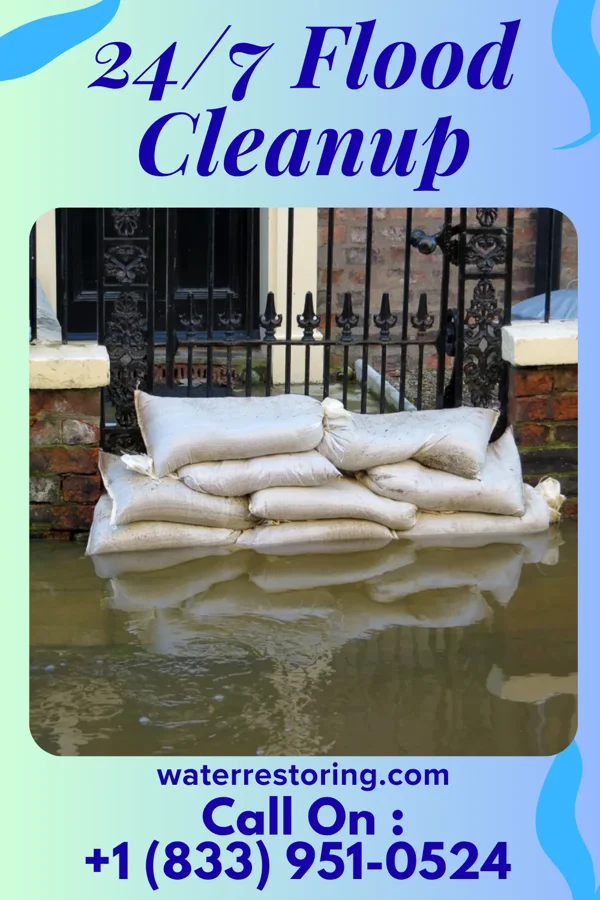
Why St. Mary Floods Need 24/7 Response
Most water damage emergencies in St. Mary start with spring snowmelt and river overflow flooding. A close second is severe thunderstorm rainfall overwhelming storm sewers. From the second water touches the property, every minute changes what gets saved and what gets ripped out.
St. Mary experiences heavy spring rains and snowmelt from the nearby Ozark Mountains, leading to rapid river rises. The humid continental climate increases the risk of prolonged flooding during the warmer months.
Most 24/7 flood cleanup calls in St. Mary come from spring snowmelt and river overflow flooding. Running a close second is severe thunderstorm rainfall overwhelming storm sewers. Local mold risk: Mold can develop quickly in St. Mary homes after flooding, especially in basements and older homes with poor drainage. Prompt drying and dehumidification are critical to prevent long-term structural damage.